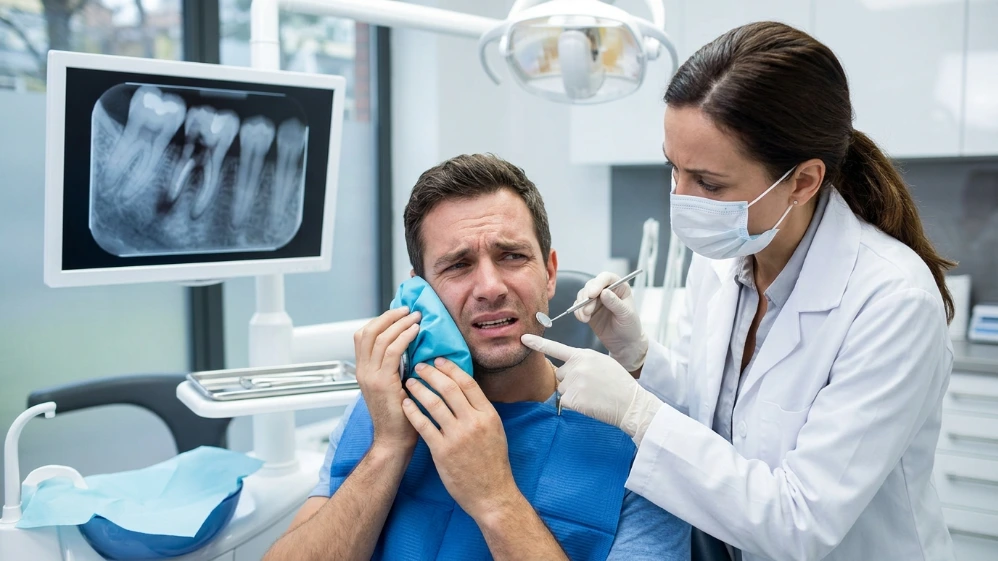
Dental problems have a way of showing up at the worst times, and it is not always easy to know whether to call your dentist right away or wait until your next visit.
Emergency dental care is needed when a dental problem causes severe pain, uncontrolled bleeding, swelling, infection, or damage that could permanently affect a tooth if left untreated. According to the CDC's National Center for Health Statistics, tooth disorders lead to nearly 2 million emergency department visits each year in the U.S. Recognizing the warning signs early can help prevent serious complications and protect your oral health.
Knowing the warning signs helps you act quickly, protect your smile, and avoid complications that become harder and more costly to treat over time.
Many patients are unsure whether what they are experiencing truly qualifies as an emergency. A general guideline is that severe pain, noticeable swelling, uncontrolled bleeding, or a tooth at immediate risk constitutes a dental emergency. Some situations are clearly urgent. Others, like a mildly chipped tooth with no pain, may be able to wait a day or two. When in doubt, a quick call to your dentist can help.
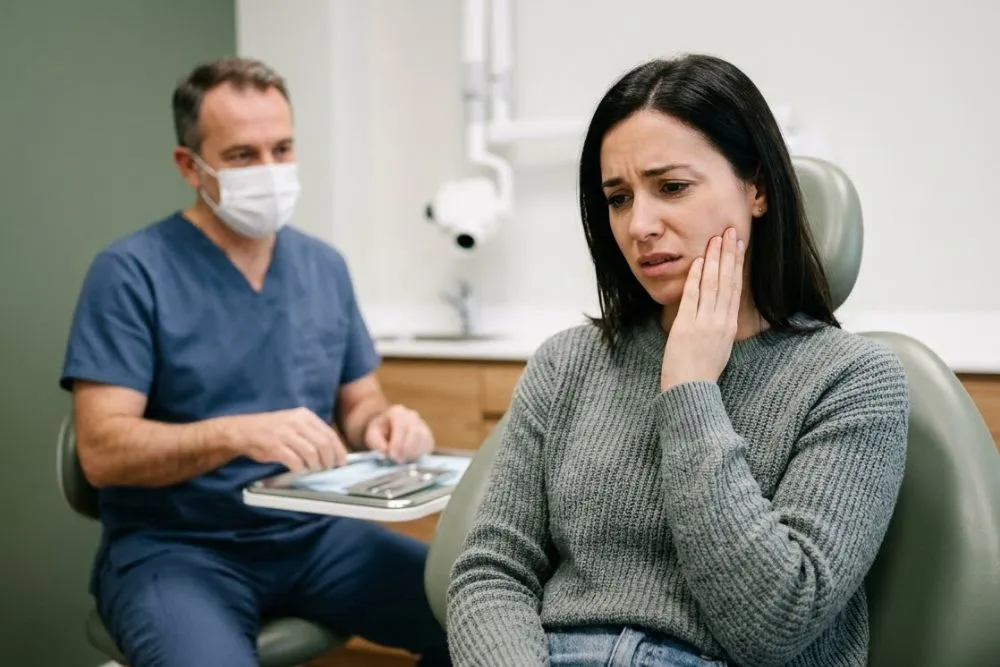
Occasional sensitivity is common, but pain that does not improve with over-the-counter medication, disrupts sleep, or makes it hard to eat normally is a warning sign. It could point to a deep infection, nerve damage, or an abscess. These issues will not resolve on their own, and delaying care typically makes them worse.
A knocked-out permanent tooth is one of the most time-sensitive dental emergencies there is. If handled quickly, there is a real chance the tooth can be reimplanted and saved. Here is what to do immediately:
Hold the tooth by the crown, not the root
Rinse gently with water if dirty, without scrubbing
Attempt to place it back into the socket if possible
If not, store it in milk or keep it between the cheek and gums
Seek dental care within 30 to 60 minutes for the best outcome
A crack or fracture can expose the inner layers of the tooth, including the nerves, which causes pain and opens the door to infection. Even if the break seems minor, bacteria can enter quickly. Rinse your mouth with warm water, apply a cold compress to reduce swelling, and contact a dentist promptly. Saving a cracked tooth is almost always easier when treated early.
Also Read: How to Choose the Right Dentist for Your Family Dental Care
Swelling in or around the mouth is nearly always a sign of infection. It can develop quickly and, if left untreated, spread to surrounding tissues and beyond. Facial or jaw swelling paired with fever or difficulty swallowing is especially serious and requires immediate care. This is not a symptom to monitor from home.
Is a dental abscess a dental emergency? Yes, without question. An abscess is a bacterial infection that forms at the root of a tooth or in the surrounding gum tissue. You may notice a pimple-like bump on the gums, pus drainage, a persistent bad taste, or intense throbbing pain. Left untreated, the infection can spread to the jaw, neck, or even enter the bloodstream. If you suspect an abscess, contact an emergency dentist the same day.
Some light bleeding after brushing or minor gum irritation is not unusual. But bleeding that does not stop after applying gentle pressure for 10 to 15 minutes, or bleeding that follows an injury or tooth extraction, requires prompt attention. Persistent oral bleeding can indicate trauma, advanced gum disease, or another condition that needs to be evaluated and treated right away.
Adult teeth should not move. If a tooth feels loose or has shifted position, it may be from trauma, infection, or bone loss around the root. Getting it evaluated quickly gives your dentist the best chance of stabilizing the tooth and preventing permanent loss.
A lost crown or filling does not always require same-day emergency treatment, especially if there is no pain. However, it can become urgent if the exposed tooth becomes sensitive or painful. In the meantime, avoid chewing on that side and consider covering the area with temporary dental cement from a pharmacy. Call your dentist to assess how soon you need to be seen.
If your jaw feels stiff, locked, or painful when opening, it may indicate a developing infection, trauma to the jaw joint, or swelling that is restricting movement. This is especially worth evaluating if it comes alongside other symptoms like facial swelling or worsening pain.
Some infections go beyond tooth pain and become a broader health concern. Seek urgent dental care if you experience any of these alongside dental pain:
Fever
Facial or neck swelling
Difficulty swallowing or breathing
A general feeling of illness
These symptoms suggest the infection may be spreading. In that case, do not wait for a regular appointment.
Stay calm and call your dentist right away
For a knocked-out tooth, follow the steps above and act within 30 to 60 minutes
Control bleeding with clean gauze and firm, steady pressure
Apply a cold compress to the outside of the face for swelling
Rinse with warm salt water to help keep the area clean
The most important step is always to contact a dentist for professional dental care as quickly as possible.
At EverSmile Dental in Goldsboro, NC, we understand that dental emergencies are stressful. Our team does everything possible to offer same-day appointments for urgent situations, so you are not left waiting in pain.
Whether you are dealing with a knocked-out tooth, severe tooth pain, swelling, or a lost restoration, we will thoroughly evaluate the situation, explain your options clearly, and focus on relieving your discomfort while protecting the tooth whenever possible. As your emergency dentist in Goldsboro, NC, compassionate and efficient care is always the priority.
Dental emergencies rarely improve on their own. When you act quickly, you give your dentist the best opportunity to relieve your pain, save the tooth, and prevent a manageable problem from becoming something far more involved.
If you or someone in your family is experiencing any of the signs above, do not wait. Contact EverSmile Dental and let us help.

Losing teeth can affect more than your smile. Missing teeth may make chewing and speaking more diffi...
Key TakeawaysWhite spots can have several causes, including enamel changes, fluorosis, and early dec...
Key TakeawaysA chip usually affects the enamel, while a crack can extend deeper into the tooth.Pain,...
Key TakeawaysA tooth infection develops when bacteria reach the inner pulp of a tooth or the surroun...
Key TakeawaysRoot canal treatment saves infected teeth by removing damaged pulp and sealing the cana...
Choosing a dentist is an important decision for maintaining long-term oral health. Many people come...