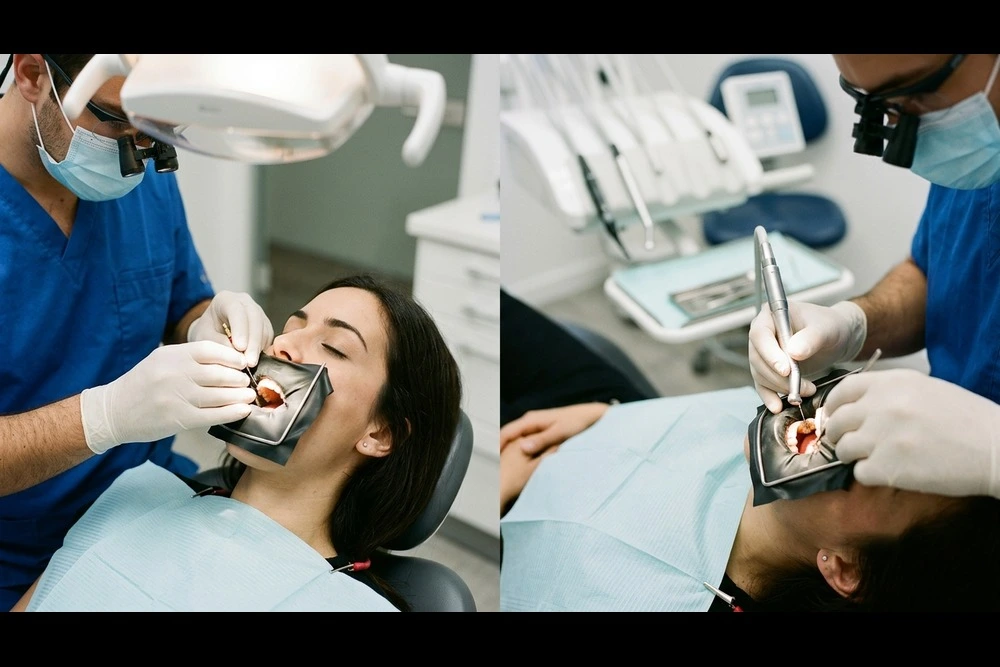

A tooth infection develops when bacteria reach the inner pulp of a tooth or the surrounding tissues.
Common symptoms include persistent tooth pain, sensitivity, swelling, a bad taste, and fever.
Tooth infections generally do not resolve on their own and require professional dental treatment.
Root canal therapy can often eliminate the infection while preserving the natural tooth.
Facial swelling, fever, or difficulty swallowing or breathing requires urgent attention.
A tooth infection occurs when bacteria enter the inner part of a tooth, usually through untreated decay, a crack, or damage to the tooth. It can cause persistent pain, swelling, sensitivity, and may eventually develop into a dental abscess if left untreated.
Early diagnosis is important because treatment may help save the natural tooth and prevent the infection from spreading. Understanding the symptoms, causes, and treatment options can help you recognize when professional dental care is needed.
A tooth infection is a bacterial infection that develops inside a tooth or in the surrounding tissues. In many cases, bacteria reach the dental pulp, the soft tissue inside the tooth containing nerves and blood vessels, through a deep cavity, crack, or damaged restoration.
Once the dental pulp becomes infected, it generally cannot heal on its own and usually requires professional dental treatment. Without treatment, the infection may spread beyond the tooth and form an abscess near the root.
A dental abscess is a collection of pus caused by bacterial infection. A periapical abscess forms near the tip of a tooth's root, while a periodontal abscess develops in the gum and supporting tissues around a tooth.
An abscess is a sign that the infection requires professional dental treatment.
Common symptoms of a tooth infection include persistent pain, sensitivity, swelling, and discomfort when biting or chewing. Symptoms vary depending on the location and severity of the infection.
Watch for:
Persistent or throbbing toothache
Sensitivity to hot or cold temperatures
Pain when chewing or biting
Swollen or tender gums
Facial or jaw swelling
A bad taste or drainage in the mouth
Persistent bad breath
Fever
Swollen lymph nodes around the jaw or neck
Difficulty opening the mouth
It is also possible for tooth pain to decrease even though the infection remains. This may happen when the nerve tissue inside the tooth is severely damaged or dies. A reduction in pain should not be assumed to mean that an infection has resolved.
Tooth infections usually begin when bacteria gain access to the dental pulp through decay, damage, or disease. The most common causes include:
Untreated cavities are the leading cause. As decay spreads deeper, it eventually reaches the pulp, allowing bacteria to infect the tooth.
Even small cracks can allow bacteria inside the tooth. These injuries may not always be visible but can still lead to infection.
Old fillings or crowns can break down over time, creating spaces where bacteria can enter and cause decay underneath.
Advanced gum disease creates deep pockets around teeth where bacteria collect, sometimes leading to infection near the tooth roots.
Good oral hygiene and regular dental visits help prevent these issues from progressing into infection.
A tooth infection becomes an emergency when it begins to spread or affects your overall health.
Schedule an evaluation if you experience:
Tooth pain lasting more than a day
Persistent temperature sensitivity
Swelling around a specific tooth
Pain when chewing
A pimple-like bump on the gum
Pus or an unpleasant taste around a tooth
These signs may indicate a serious infection that requires immediate treatment. At EverSmile Dental, we offer emergency dental care, including same-day appointments when available.
Treatment depends on how severe the infection is and whether the tooth can be saved. The goal is always to remove the infection and preserve the natural tooth when possible.
A root canal is the most common treatment for infected teeth. It involves:
Removing infected pulp
Cleaning and disinfecting the inside of the tooth
Sealing the tooth to prevent reinfection
A crown is often placed afterward to restore strength and function.
If an abscess is present, the dentist may drain it to relieve pressure and help control the infection. This is often combined with other treatments, such as root canal therapy.
If the tooth is too damaged to save, it may need to be removed. After healing, replacement options like implants or bridges can restore function.
Antibiotics may be prescribed when a dental infection has spread or when there are systemic signs of infection. However, antibiotics do not eliminate the underlying source of most tooth infections. Definitive dental treatment is usually necessary to address the source of the infection.
Most tooth infections can be prevented with good oral care and early treatment of dental problems.
Key prevention tips include:
Brush twice daily with fluoride toothpaste
Floss daily
Visit the dentist regularly
Treat cavities early
Repair damaged fillings or crowns promptly
Limit sugary foods and drinks
Wear a mouthguard during sports
Preventive care helps stop small dental issues from becoming serious infections.
EverSmile Dental provides comprehensive dental care in Goldsboro, NC, including emergency dentistry, root canal therapy, tooth extractions, crowns, fillings, and preventive dental services. The practice focuses on personalized treatment planning and uses modern dental technology to evaluate and treat oral health concerns.
If you are experiencing persistent tooth pain, swelling, or another possible sign of infection, our team can evaluate the affected tooth and determine the appropriate treatment based on your individual needs.
Prompt evaluation is particularly important when symptoms become more severe, or there are signs that the infection may be spreading.
A tooth infection requires professional attention because bacteria can continue to damage the tooth and surrounding tissues if the underlying cause is not treated.
Persistent toothache, swelling, sensitivity, drainage, and fever are important warning signs. Depending on the condition of the tooth, treatment may involve root canal therapy, abscess drainage, extraction, or antibiotics when appropriate.
If you are experiencing symptoms of a tooth infection in Goldsboro, NC, contact EverSmile Dental for an evaluation. Early treatment may help relieve discomfort, control the infection, and preserve your natural tooth whenever possible.


Many parents think baby teeth do not require much attention because they eventually fall out. Howeve...
When you have a damaged, discolored, chipped, worn, or missing tooth, you may come across two common...
Losing teeth can affect more than your smile. Missing teeth may make chewing and speaking more diffi...
Key TakeawaysWhite spots can have several causes, including enamel changes, fluorosis, and early dec...
Key TakeawaysA chip usually affects the enamel, while a crack can extend deeper into the tooth.Pain,...
Key TakeawaysRoot canal treatment saves infected teeth by removing damaged pulp and sealing the cana...