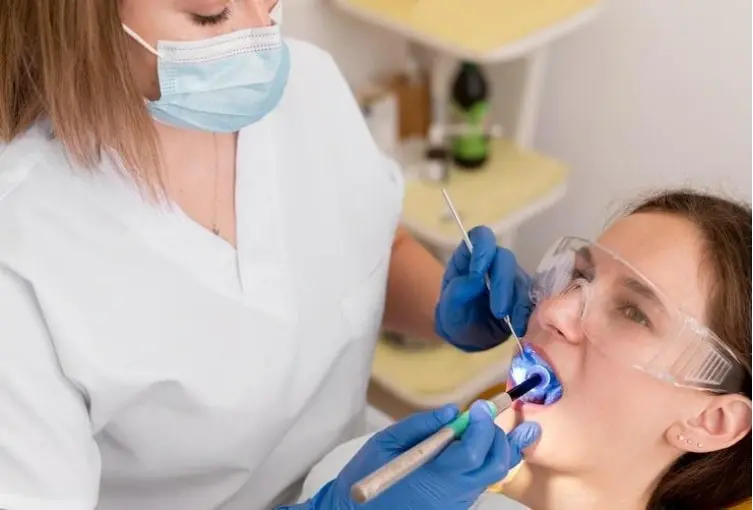
Bone grafting rebuilds jawbone to support dental implants when bone is insufficient. Dr. Khushbu Patel at EverSmile Dental offers personalized implant evaluations and treatment guidance.
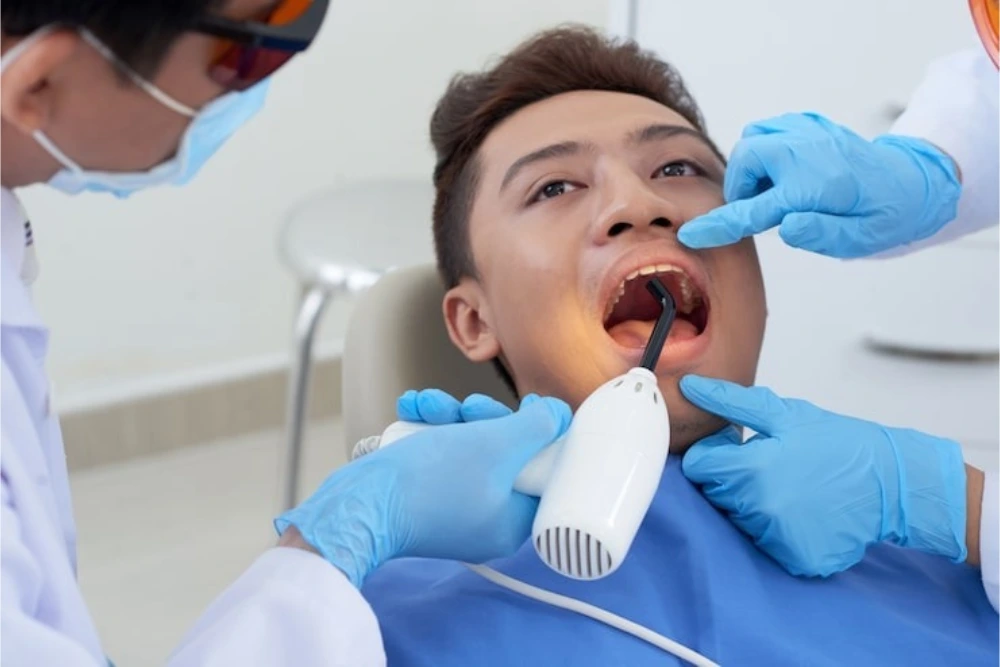
Dental implants replace missing teeth with artificial tooth roots that support crowns, bridges, or dentures. However, successful implant placement depends partly on having enough healthy jawbone to support the implant. If the bone has deteriorated or is too thin to provide adequate support, a dentist may recommend bone grafting.
Bone grafting for dental implants helps rebuild or preserve the jawbone, creating a more suitable foundation for implant treatment. Whether you need a graft depends on the amount of available bone, the location of the missing tooth, and your oral health. Understanding the procedure and healing process can help you prepare for treatment.
Bone grafting helps rebuild or preserve jawbone when there is insufficient bone for dental implants.
Tooth loss, gum disease, and certain infections can contribute to bone loss.
Some grafts can be performed during tooth extraction or implant placement.
Healing often takes several months, depending on the procedure.
Not every dental implant patient needs a bone graft.
Bone grafting is a dental procedure that uses graft material to help rebuild or preserve bone in the jaw. The material provides a framework that supports the body's natural healing process as new bone develops.
For dental implants, bone grafting may be recommended when the existing jawbone cannot adequately support an implant in the planned position. Graft material may come from the patient's own body, a human donor, an animal source, or synthetic materials. The appropriate option depends on the patient's needs and treatment plan.
Dental implants are placed in the jawbone to support replacement teeth. During healing, the bone bonds with the implant through a process called osseointegration.
Adequate bone volume and quality help provide implant stability and support normal biting forces. If the bone is too thin or lacks sufficient height, the dentist may recommend grafting to improve the implant site. Gum health, bite alignment, oral hygiene, and medical history are also considered during treatment planning.
A dentist may recommend bone grafting when the jawbone lacks enough volume or structure to support an implant. Common reasons include:
Tooth loss: The jawbone may gradually shrink after a tooth is removed.
Gum disease: Periodontitis can damage the bone supporting natural teeth.
Long-term missing teeth: Bone volume may decrease over time in areas without teeth.
Infection or injury: Certain infections and traumatic injuries can affect the surrounding bone.
Limited bone in the upper jaw: The maxillary sinus may restrict the available bone height for implants in the upper back jaw.
A dental examination and appropriate imaging, sometimes including 3D cone beam computed tomography (CBCT), help the dentist evaluate bone height, width, and quality.
No. Patients with enough healthy jawbone may receive dental implants without grafting. In other cases, alternative implant placement techniques may be suitable. The decision depends on the patient's anatomy, the planned implant position, and the amount of bone available.
The type of graft depends on where bone is missing and how much reconstruction is needed.
Type of Bone Graft | Purpose | When It May Be Needed |
Socket Preservation Graft | Helps preserve bone in an empty tooth socket | After tooth extraction when a future dental implant is planned |
Sinus Lift Graft | Increases available bone height in the upper back jaw | When the sinus limits the bone available for implant placement |
Ridge Augmentation | Rebuilds the width or height of the jawbone ridge | When bone loss has changed the shape of the planned implant site |
Bone Graft with Implant Placement | Adds graft material around the implant site when appropriate | When sufficient bone remains for initial implant stability but additional support or contour is needed |
The procedure varies according to the type and size of the graft. Generally, the process includes:
Examination and planning: The dentist evaluates oral health and uses imaging to assess the jawbone.
Anesthesia: Local anesthesia numbs the treatment area.
Preparing the site: The dentist accesses the area requiring grafting.
Placing the graft: Graft material is positioned, and a protective membrane may be used when appropriate.
Closing the area: The site is closed with stitches and allowed to heal.
After treatment, the dentist provides instructions for oral hygiene, diet, medication, and follow-up appointments.
Bone graft healing often takes several months, but the timeline varies with the graft's size and location, the material used, and individual health. Smaller grafts may heal sooner, while larger grafts and sinus lifts may require a longer healing period before implant placement.
Mild swelling, tenderness, bruising, or minor bleeding may occur during initial recovery. To support healing:
Eat soft foods as advised by your dentist.
Follow instructions for cleaning your mouth and the surgical area.
Avoid smoking, which can interfere with healing.
Take medication only as directed.
Attend follow-up appointments to monitor recovery.
Contact your dentist if pain or swelling worsens, bleeding persists, or you develop fever, pus, or other signs of infection. If you experience severe swelling or difficulty breathing or swallowing, seek urgent medical attention.
Dr. Khushbu Patel emphasizes the importance of understanding each patient's oral health, jawbone condition, and tooth replacement goals when considering dental implants. A personalized evaluation can help determine whether sufficient jawbone is available or whether bone grafting may be needed to support successful implant placement. Patients can discuss their treatment options, expected healing time, and the steps involved in the procedure to make informed decisions about their dental care.
At EverSmile Dental, the dental implant process focuses on helping patients understand their options at every stage, from evaluating bone health and planning treatment to implant placement and final restoration. With clear guidance and an individualized approach, Dr. Patel helps patients better understand their treatment plan, recovery expectations, and the considerations involved in replacing missing teeth.
Bone grafting for dental implants helps rebuild or preserve jawbone when there is not enough suitable bone to support an implant. Procedures such as socket preservation, sinus lifts, and ridge augmentation address different bone conditions. Healing time, recovery, and cost depend on the treatment and individual circumstances, so a dental assessment is essential.
At EverSmile Dental, patients can discuss dental implant options and whether bone grafting may suit their needs. A personalized treatment plan can explain the recommended procedure, expected recovery, and next steps toward replacing missing teeth.


Tooth extraction is a common dental procedure that may be necessary because of severe tooth decay, d...
A brighter smile starts with choosing the right whitening method. Professional teeth whitening and w...
Tooth erosion and tooth decay can both damage your teeth, but they are not the same condition. Tooth...
Losing most or all of your teeth can affect how you eat, speak, smile, and feel about your appearanc...
A sip of cold water or a bite of ice cream should not make your teeth hurt. However, many people fee...
Many parents think baby teeth do not require much attention because they eventually fall out. Howeve...