Professional teeth whitening provides more noticeable and faster results by using bleaching agents to lighten tooth discoloration. Whitening toothpaste mainly removes surface stains and helps maintain a brighter-looking smile through daily brushing. While professional whitening is ideal for achievin
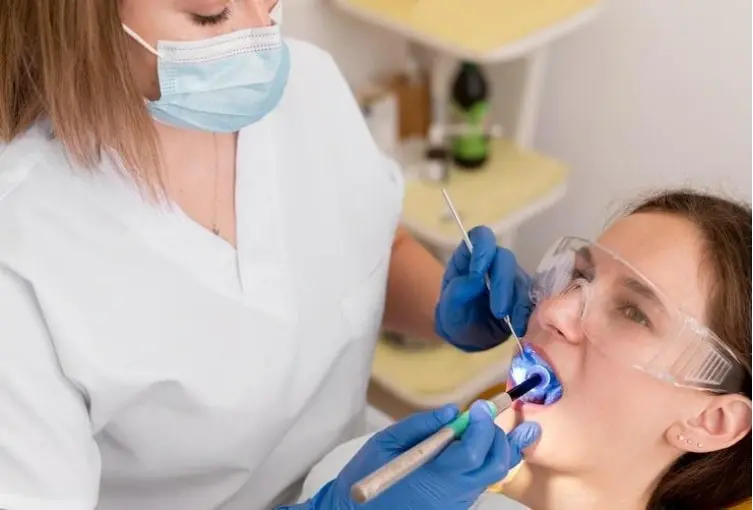
A brighter smile starts with choosing the right whitening method. Professional teeth whitening and whitening toothpaste can both improve the appearance of teeth, but they work differently. Professional whitening uses bleaching agents to lighten tooth discoloration, while whitening toothpaste mainly removes surface stains caused by foods, drinks, and everyday habits.
Professional teeth whitening is generally more effective for noticeable changes in tooth shade, while whitening toothpaste is better suited for managing surface stains. Understanding their differences can help you choose an option based on your dental health, budget, and whitening goals.
Professional teeth whitening uses bleaching agents to lighten many types of tooth discoloration.
Whitening toothpaste primarily removes surface stains and supports everyday stain management.
Professional treatment generally produces more noticeable whitening results.
Both methods may cause sensitivity, particularly when used incorrectly or when teeth are already sensitive.
The best option depends on the cause of discoloration and your desired results.
Professional teeth whitening and whitening toothpaste both help improve the appearance of teeth, but they work in different ways. Professional whitening uses bleaching agents to lighten certain types of tooth discoloration, while whitening toothpaste primarily removes surface stains caused by foods, drinks, and everyday habits.
Professional teeth whitening commonly uses peroxide-based bleaching agents, such as hydrogen peroxide or carbamide peroxide. These ingredients help break down compounds responsible for discoloration, making natural teeth appear lighter.
Whitening toothpaste typically contains mild abrasives that help remove surface stains during brushing. Some formulas also contain ingredients that help loosen stains or provide additional whitening effects.
Professional teeth whitening and whitening toothpaste offer different benefits depending on your desired results, budget, and oral health needs.
More noticeable whitening results: Professional bleaching can lighten certain types of discoloration more effectively than products designed primarily to remove surface stains.
Personalized treatment: A dentist can assess your teeth, sensitivity, and whitening goals before recommending a suitable option.
Professional guidance: A dental assessment helps identify issues such as cavities or gum inflammation that may need attention before whitening.
Flexible treatment options: Depending on suitability, patients may choose in-office whitening or dentist-supervised take-home treatments.
Targeted discoloration treatment: Bleaching agents can help reduce some deeper discoloration that ordinary brushing cannot address.
However, professional whitening does not change the color of crowns, veneers, fillings, or other dental restorations in the same way it affects natural teeth. Temporary tooth sensitivity and gum irritation are also possible.
Convenience: It fits easily into your regular brushing routine without requiring a separate whitening appointment.
Affordability: It generally costs less than professional whitening treatment.
Surface stain removal: It helps reduce stains caused by coffee, tea, and certain foods and drinks.
Everyday maintenance: It can help manage new surface stains and maintain a cleaner-looking smile after professional whitening.
Routine oral care: A suitable fluoride whitening toothpaste can help remove stains while supporting cavity prevention.
Whitening toothpaste is best suited for managing surface stains rather than achieving a substantial change in natural tooth shade.
The main difference is that professional teeth whitening uses bleaching agents to lighten tooth discoloration, while whitening toothpaste primarily removes surface stains.
Feature | Professional Teeth Whitening | Whitening Toothpaste |
Main purpose | Lightens tooth discoloration | Removes or reduces surface stains |
How it works | Uses peroxide-based bleaching agents | Uses stain-removing ingredients, often mild abrasives |
Expected results | Generally, more noticeable color changes | Usually more limited improvement |
Time required | Depends on the treatment method | Requires consistent use |
Cost | Generally higher | Generally lower |
Professional guidance | Dental assessment helps determine suitability | Choose a suitable product and follow instructions |
Best suited for | People seeking a more noticeable shade change | People managing everyday surface stains |
Neither option works equally well for every type of discoloration. The cause of staining, condition of the teeth, and desired outcome all influence which method may be most effective.
Professional teeth whitening generally provides more noticeable results when the goal is to lighten natural tooth shade. Its bleaching agents can address certain discoloration that toothpaste cannot remove through brushing alone.
Whitening toothpaste is more appropriate for managing surface stains and maintaining a cleaner-looking smile. It may help with stains caused by coffee, tea, and similar substances, but it is unlikely to achieve the same degree of whitening as professional treatment.
Choose professional teeth whitening if you want a more noticeable change in tooth shade and a dentist confirms that treatment is suitable. It may be a better option when surface stain removal alone does not achieve your desired result. While more expensive, this is often the quicker and better option to produce a whiter smile.
Choose whitening toothpaste if your main goal is to manage everyday surface stains through your regular oral hygiene routine. It is convenient and generally more affordable, but it should not be expected to deliver the same results as professional bleaching. You may also want to look into whitening strips which is a step up from the toothpaste and just below the professional version. The strips require consistency and time to reach the desired result.
Consider your dental health, the cause of discoloration, your budget, and your expectations. If you are unsure, a dentist can help you compare the options and select an approach suited to your needs.
Dr. Khuhsbu Patel focuses on helping patients understand their teeth whitening options based on their oral health, tooth discoloration, and smile goals. Through a personalized dental assessment, she can help determine whether professional whitening is suitable and explain the expected results, treatment options, and potential sensitivity.
EverSmile Dental offers two different types of professional whitening, custom trays and in-office whitening. The custom trays are fitted for your teeth and uses a gel to brighten the teeth at home. Similar to whitening strips, but with a stronger formula. This is the less costly option that can provide good results quickly and from the comfort of your own home. The in-office option uses an even higher strength whitening formula to provide the fastest results to get that initial whiter smile as well as makes you the custom trays for at home use. This method is more expensive and can cause greater sensitivity, but the results are more noticeable.
At EverSmile Dental, patients can receive guidance on choosing an appropriate whitening approach and maintaining their results with good oral hygiene habits. The goal is to support a brighter-looking smile while prioritizing dental health, comfort, and realistic expectations.
Professional teeth whitening and whitening toothpaste both help improve the appearance of teeth, but they serve different purposes. Professional treatment uses bleaching agents to lighten certain types of discoloration and generally produces more noticeable results. Whitening toothpaste mainly removes surface stains and supports everyday stain management. Choosing between them depends on your dental health, the cause of discoloration, and your desired outcome.
EverSmile Dental can help patients understand their teeth whitening options and make informed decisions based on their individual needs. With appropriate dental guidance, you can choose a suitable approach to a brighter smile while keeping comfort, realistic expectations, and long-term oral health in mind.


Tooth erosion and tooth decay can both damage your teeth, but they are not the same condition. Tooth...
Losing most or all of your teeth can affect how you eat, speak, smile, and feel about your appearanc...
A sip of cold water or a bite of ice cream should not make your teeth hurt. However, many people fee...
Many parents think baby teeth do not require much attention because they eventually fall out. Howeve...
When you have a damaged, discolored, chipped, worn, or missing tooth, you may come across two common...
Losing teeth can affect more than your smile. Missing teeth may make chewing and speaking more diffi...