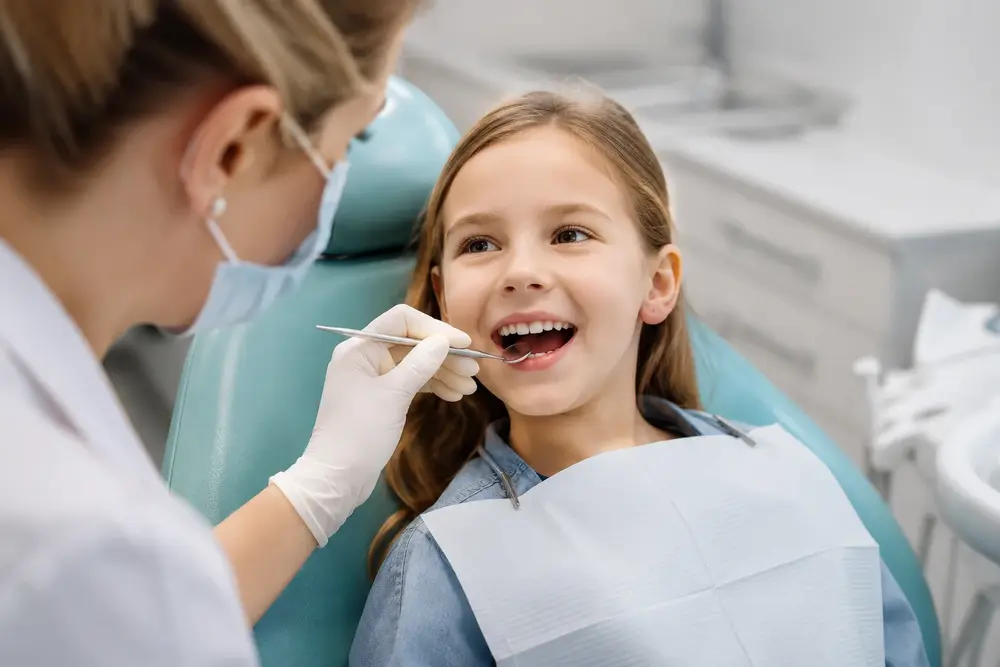
Learn the differences between tooth erosion and tooth decay, including their causes, symptoms, treatments, and prevention tips. Discover how to protect your enamel, prevent cavities, and maintain a healthy smile with proper dental care.
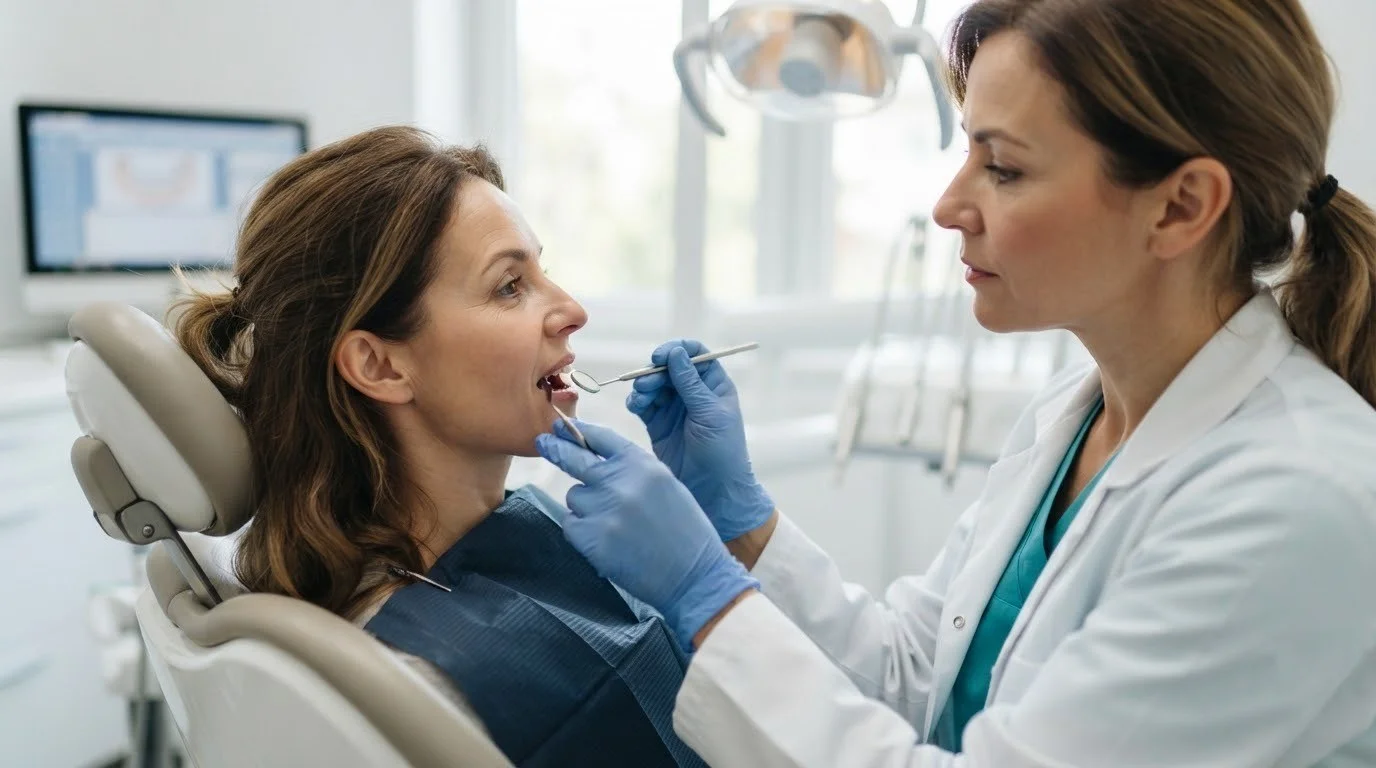
Tooth erosion and tooth decay can both damage your teeth, but they are not the same condition. Tooth erosion occurs when acids gradually wear away tooth structure, while tooth decay develops when bacteria in plaque produce acids that damage the tooth.
Understanding the difference can help you recognize potential problems and seek appropriate dental care.
Key Takeaways
Tooth erosion occurs when acids gradually wear away tooth enamel.
Tooth decay develops when plaque bacteria produce acids that damage the tooth.
Both conditions can cause sensitivity, discoloration, and structural damage.
A dental examination can determine whether symptoms are caused by erosion, decay, or another dental problem.
Early treatment and good oral hygiene can help prevent further tooth damage.
The main difference between tooth erosion and tooth decay is what causes the damage.
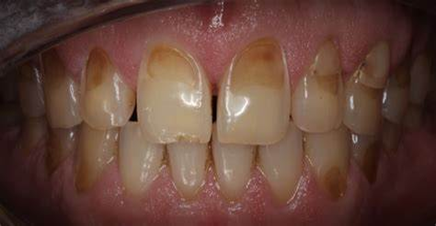
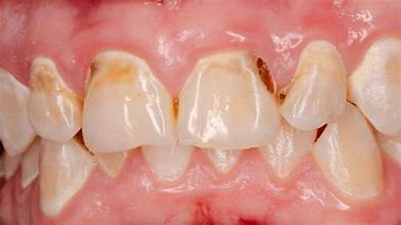
Tooth erosion is the gradual loss of tooth structure caused by acid exposure. The acids may come from foods and drinks, such as soda and citrus products, or from stomach acid associated with conditions such as acid reflux.
Tooth decay develops when bacteria in dental plaque use sugars and carbohydrates to produce acids. Repeated acid exposure can remove minerals from the tooth and eventually create a cavity.
Although both conditions involve acid and can weaken enamel, their sources are different. A person can also experience tooth erosion and tooth decay at the same time.
Tooth Erosion | Tooth Decay |
Primarily caused by direct acid exposure | Develops from acids produced by plaque bacteria |
Can be linked to acidic foods, drinks, or stomach acid | Often associated with plaque, sugars, and carbohydrates |
Gradually wears away tooth structure | Can progress from mineral loss to a cavity |
May cause sensitivity and changes in tooth shape | May cause sensitivity, visible cavities, or tooth pain |
|
|
Tooth erosion is the gradual loss of tooth structure caused by acid. Unlike tooth decay, the acid involved in erosion does not have to come from bacteria.
Common sources of acid exposure include:
Soda and other acidic beverages
Citrus fruits and acidic foods
Frequent consumption of acidic drinks throughout the day
Stomach acid associated with acid reflux
Repeated exposure to acidic substances over time
Most people do not realize that the frequency of exposure matters even more than the quantity of consumption. Sipping on one can of soda over an hour-long period can cause more damage to the teeth compared to drinking two cans in a fifteen-minute sitting because the teeth are exposed to the acids for a longer period of time, thus weakening the enamel and increasing the possibility of erosion.
Tooth decay is a disease process that can lead to cavities. It begins when bacteria in plaque interact with sugars and carbohydrates in the mouth and produce acids.
Repeated acid attacks can remove minerals from the tooth. If the process continues, the tooth structure can weaken, and a cavity may develop.
Depending on how advanced it is, tooth decay may cause:
White or chalky changes on the tooth
Brown or dark areas
A visible cavity
Sensitivity to hot, cold, or sweet foods
Pain or discomfort
Pain when biting in more advanced cases
Not every cavity causes pain in its early stages. That is one reason regular dental examinations are useful for identifying problems before they become more extensive.
Yes. A person can have both tooth erosion and tooth decay.
For example, frequent exposure to acidic drinks may contribute to enamel erosion, while regular consumption of sugary foods can contribute to bacterial acid production and decay.
Because the two conditions can look similar in some cases, it is not always possible to determine the cause simply by looking at a tooth at home. A dentist can evaluate the location, appearance, texture, and extent of the damage and consider your oral habits and medical history.
Treatment depends on the severity and underlying cause.
Early enamel erosion may be managed by reducing acid exposure and protecting the remaining tooth structure. A dentist may recommend changes to your diet and oral hygiene routine.
More advanced enamel loss may require restorative treatment to rebuild or protect damaged areas.
Limit frequent exposure to acidic drinks and foods.
Avoid slowly sipping acidic beverages throughout the day.
Avoid brushing right after an acid attack or acidic consumption (this will rub the acids further onto the teeth); wait at least 30 minutes.
Drink water instead after consuming acidic foods or drinks (balances the pH in the mouth).
Maintain good oral hygiene.
Discuss persistent acid reflux with an appropriate healthcare professional.
Treatment for tooth decay depends on how far the damage has progressed. Early decay may sometimes be managed with preventive measures and fluoride.
When a cavity has developed, a dental filling may be necessary. Tooth-colored composite fillings can restore areas affected by decay while blending with the natural appearance of the tooth.
If decay reaches deeper areas of the tooth, more extensive treatment may be required.
Brush twice a day with fluoride toothpaste.
Clean between your teeth daily (floss).
Limit frequent sugary snacks and drinks.
Maintain regular dental visits.
Follow your dentist's recommendations for fluoride and preventive care.
Consider scheduling a dental examination if you notice persistent sensitivity, visible changes in your enamel, tooth pain, a dark or unusual area, changes in tooth shape, or a visible cavity.
You should also seek professional advice if your teeth continue to become sensitive despite good oral care.
A dental examination can help determine whether the problem is tooth erosion, tooth decay, another type of tooth wear, or more than one condition. Identifying the cause is important because treatment should address the underlying problem rather than only the visible symptoms.
EverSmile Dental provides preventive, restorative, and cosmetic dental services designed around individual patient needs. If you are concerned about enamel damage, tooth decay, sensitivity, or changes in the appearance of your teeth, a professional evaluation can help identify the cause and determine appropriate care.
Our practice provides tooth-colored fillings for cavities and minor tooth damage, as well as professional teeth whitening for patients seeking to improve the appearance of their natural teeth.
Tooth erosion and tooth decay can both weaken teeth, but they develop through different processes. Tooth erosion is primarily linked to direct acid exposure, while tooth decay develops when bacteria in plaque produce acids that damage the tooth. Both conditions can progress if their causes are not addressed.
If you notice sensitivity, changes in your enamel, discoloration, or signs of a cavity, a dental examination can help determine what is causing the problem. EverSmile Dental can evaluate your oral health and recommend care based on your individual needs.


Losing most or all of your teeth can affect how you eat, speak, smile, and feel about your appearanc...
A sip of cold water or a bite of ice cream should not make your teeth hurt. However, many people fee...
Many parents think baby teeth do not require much attention because they eventually fall out. Howeve...
When you have a damaged, discolored, chipped, worn, or missing tooth, you may come across two common...
Losing teeth can affect more than your smile. Missing teeth may make chewing and speaking more diffi...
Key TakeawaysWhite spots can have several causes, including enamel changes, fluorosis, and early dec...