
Tooth pain can quickly interrupt your day and often signals that something is not right. While occasional sensitivity may be minor, ongoing discomfort can indicate a deeper issue, sometimes one that requires root canal treatment.
According to the American Association of Endodontists, root canal treatment is one of the most common procedures used to save natural teeth and relieve pain caused by infection or inflammation inside the tooth. Recognizing the warning signs early can help protect your smile and prevent more serious complications. At EverSmile Dental, we believe patient education is an important part of long-term oral health.
A root canal, also known as endodontic therapy, is a procedure used to save a tooth when the inner pulp becomes infected or inflamed. The pulp contains nerves and blood vessels, and bacteria can reach this area through deep decay, cracks, repeated dental procedures, or trauma. This is the cause of that dreaded toothache.
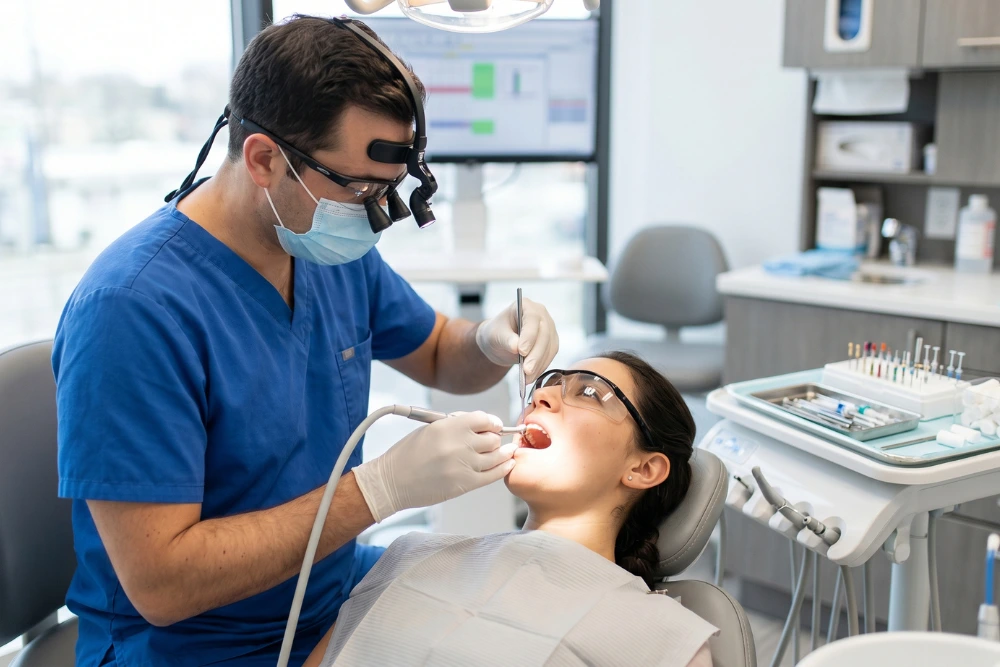
During treatment, your dentist carefully removes the infected tissue, cleans and disinfects the canals, and seals the tooth to help prevent reinfection. Despite outdated misconceptions, modern root canal therapy is designed to relieve pain, not cause it. With today’s techniques and effective local anesthesia, many patients compare the experience to receiving a routine filling.
Your teeth often provide clear warning signs when something is wrong. Here are some of the most common symptoms to watch for:
Pain that does not go away is one of the clearest signs of a problem. You may notice a deep ache, throbbing discomfort, or pain when chewing or applying pressure. In some cases, the pain may radiate to the jaw, face, or ear.
If tooth pain persists or recurs, it is important to schedule a dental examination promptly.
A brief reaction to hot coffee or cold water can be normal. However, sensitivity that lingers after the temperature stimulus is removed may indicate inflammation or damage inside the tooth.
When the pulp becomes irritated, even mild temperature changes can trigger significant discomfort.
Gums that appear swollen, tender, or darker around one tooth can be a sign of infection. Some patients may also notice a small bump on the gums, sometimes called a gum boil, which may drain fluid and create an unpleasant taste.
These symptoms should not be ignored, as they may indicate the infection is spreading beyond the tooth.
A tooth that becomes gray, brown, or darker than the surrounding teeth may be showing signs of internal damage. This can happen when pulp tissue breaks down due to trauma or advanced decay.
Unlike surface stains, internal discoloration usually requires professional dental care and treatment.
Even a small crack or chip can create a pathway for bacteria to enter the pulp. Cracks may result from accidents, teeth grinding, or biting hard objects.
If you have damaged a tooth, it is best to have it examined promptly, even if discomfort has not started yet.
A loose permanent tooth should always be evaluated. Infection around the root can weaken the surrounding bone and tissues, causing the tooth to feel unstable.
Early treatment may help preserve the tooth and prevent extraction.
Ongoing bad breath or a foul taste that remains despite brushing and flossing can sometimes be linked to an abscessed tooth or infection.
You may also notice drainage near the affected tooth. These symptoms require prompt dental attention.
Ignoring signs of infection can lead to more than discomfort. Untreated dental infections may spread to nearby tissues or teeth, the jawbone, or surrounding areas, increasing the risk of more complex treatment needs.
Delaying care may also result in tooth loss, which can require replacement with options such as a bridge or dental implant. There is no comparison to your natural teeth. In most cases, addressing the problem early is simpler, more comfortable, and more cost-effective than waiting.
At EverSmile Dental, patient comfort is a priority. Before treatment begins, Dr. Patel will examine the tooth, review X-rays, and explain the procedure so you know what to expect.
Treatment is completed using local anesthesia to keep the area numb and comfortable. The infected pulp is removed, the canals are cleaned and sealed, and in many cases, a dental crown is later placed to restore strength and function.
Many patients return to normal routines within a day or two, with only mild temporary tenderness.
While not every case can be avoided, many can be reduced through consistent preventive care:
Brush twice daily and floss every day
Visit your dentist regularly for cleanings and examinations
Wear a mouthguard during sports or if you grind your teeth at night
Avoid chewing ice, hard candy, or other items that may crack teeth
Treat cavities and minor dental issues early before they worsen
Preventive care remains one of the best and cheapest ways to maintain a healthy smile long term.
Your teeth often give early warning signs when something is wrong. Persistent pain, swelling, discoloration, or sensitivity should never be ignored.
If you are experiencing any of these symptoms, our team at EverSmile Dental is here to help with compassionate, modern dental care. Prompt treatment can relieve discomfort, protect your natural tooth, and restore your confidence.
Contact EverSmile Dental today to schedule your consultation and take the next step toward a healthier, pain-free smile.


Tooth erosion and tooth decay can both damage your teeth, but they are not the same condition. Tooth...
Losing most or all of your teeth can affect how you eat, speak, smile, and feel about your appearanc...
A sip of cold water or a bite of ice cream should not make your teeth hurt. However, many people fee...
Many parents think baby teeth do not require much attention because they eventually fall out. Howeve...
When you have a damaged, discolored, chipped, worn, or missing tooth, you may come across two common...
Losing teeth can affect more than your smile. Missing teeth may make chewing and speaking more diffi...